In the heart of Kenya’s wilderness, where golden savannahs stretch endlessly and ancient ecosystems thrive, lives a creature wrapped in mystery and legend Black Mrembo, the Black Leopard.
Rare, elusive, and breathtakingly beautiful, the black leopard has captured the imagination of wildlife lovers, photographers, and conservationists from around the world. But what exactly is Black Mrembo, and why is it so special?.
What Is a Black Leopard?
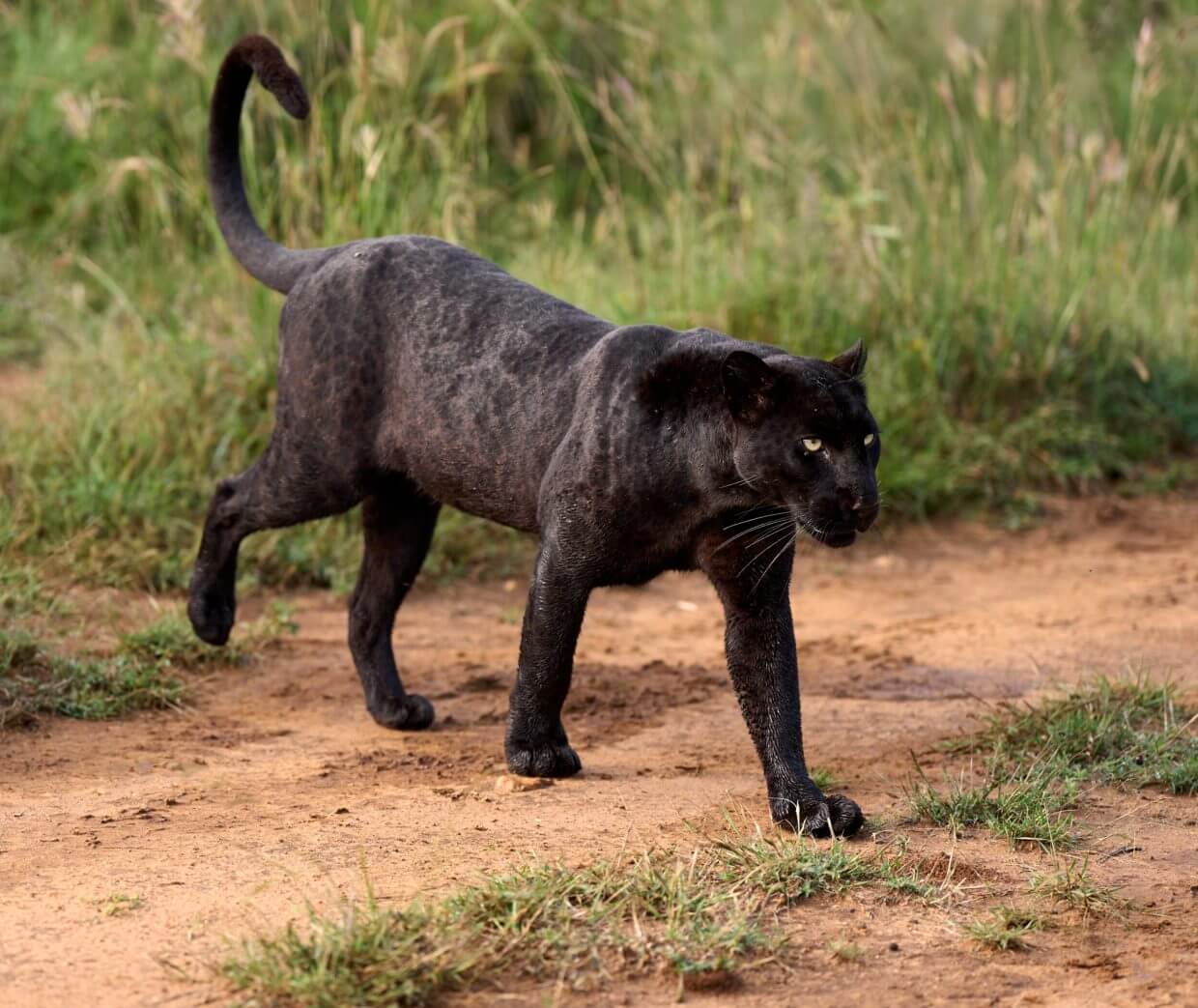
Contrary to popular belief, a black leopard is not a separate species. It is a leopard with a genetic condition known as melanism, which causes an excess of dark pigmentation.
If you look closely, especially in good light, you can still see the leopard’s iconic rosette patterns beneath the dark coat — a subtle reminder that this mysterious animal is, at its core, still a leopard.
Why the Name “Black Mrembo”?
In Swahili, “Mrembo” means beautiful — a fitting name for such a graceful and rare animal.
The name Black Mrembo became widely known after sightings in Laikipia County, where one individual gained global attention for its striking appearance and calm elegance.
To many Kenyans, Black Mrembo represents:
- Beauty in rarity
- Strength in silence
- The magic of untouched wilderness
Where Can Black Leopards Be Found?
Black leopards are extremely rare, especially in Africa. Occasional sightings have been reported in:
- Laikipia Plateau
- Dense forested areas
- Regions with thick vegetation that provide natural camouflage
Globally, melanistic leopards are more commonly found in Asia, making African sightings even more extraordinary.
Why Are Black Leopards So Rare?
Several factors contribute to their rarity:
- The melanistic gene is recessive
- Leopards are already solitary and elusive
- Dense habitats make sightings difficult
- Habitat loss and human-wildlife conflict reduce populations
Seeing one in the wild is considered a once-in-a-lifetime safari experience.
Conservation Importance of Black Mrembo
The existence of Black Mrembo highlights the importance of:
- Habitat protection
- Wildlife conservation efforts
- Responsible tourism
Protecting leopards — black or spotted — ensures the balance of ecosystems and preserves Kenya’s natural heritage for future generations.
Safari operators, conservationists, and local communities all play a role in safeguarding these magnificent cats.
Experiencing the Magic on Safari
While sightings are never guaranteed, safaris in leopard-rich areas like Laikipia and private conservancies offer the best chance of encountering these secretive predators.
At Journey Junction Tours & Safaris, we believe every safari is about more than just sightings — it’s about understanding the stories, cultures, and conservation behind the wildlife.
Final Thoughts
Black Mrembo is more than a black leopard.
It is a symbol of nature’s mystery, resilience, and beauty.